Investigating Tinnitus Factors
Wiki Article
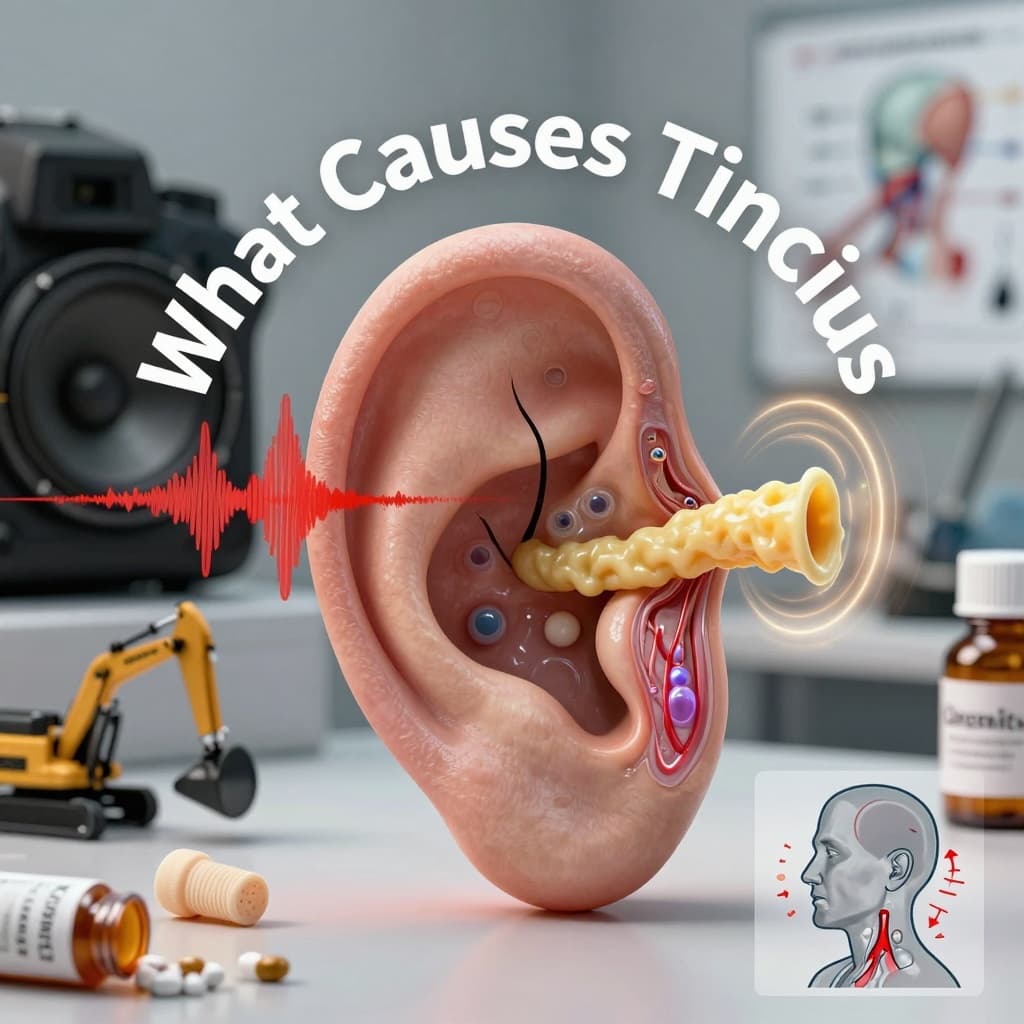
The sources of tinnitus, that persistent perception of humming or other noises in the ears, are incredibly varied. While a clear cause often is difficult to pinpoint, numerous possible factors have been discovered. Contact to intense noise, like from construction sites, is a major culprit, frequently resulting in noise-induced hearing loss which then precipitates tinnitus. Beyond that, certain medical conditions, such as increased blood pressure, sugar diabetes, and glandular disorders, can also play a role. Furthermore, pharmaceuticals, particularly particular pharmaceutical preparations and aspirin, have been implicated in the appearance of tinnitus. Finally, trauma to the skull or ear can occasionally initiate this unwanted perception.
Exploring Tinnitus: Potential Sources & Influences
The persistent buzzing in your ears, commonly known as tinnitus, isn’t a illness itself, but rather a symptom pointing towards a variety of underlying causes. While the exact trigger of tinnitus can be elusive, several potential influencing factors have been identified. These include exposure to loud sounds, often linked to workplace environments or recreational activities, as well as age-related hearing loss. Medications, particularly certain antidepressants, can sometimes trigger or worsen tinnitus, and aural infections or injuries may also play a important role. Additionally, physical conditions like elevated blood pressure, blood sugar disorder, and temporomandibular joint (TMJ) issues have been associated with tinnitus. It's important to note that in many cases, no specific cause can be definitively identified, making assessment and management particularly challenging.
Identifying the Origin of tinnitus Ringing: Causes
That persistent buzzing in your ears can be more than just a nuisance; it's a sign of tinnitus, a condition affecting millions worldwide. While sometimes attributed to temporary factors like loud music exposure, it can also stem from a wider of underlying problems. Common culprits include age-related hearing loss, certain medications – particularly aspirin – and even blocked ear canals. Less frequently, tinnitus can be a symptom of a more medical condition like acoustic disease or temporomandibular joint (TMJ) dysfunction. Proper diagnosis by a experienced healthcare professional is vital to pinpoint the specific origin and develop an suitable treatment approach.
Understanding Tinnitus Causes: From Auditory Exposure to Underlying Conditions
The persistent ringing in your ears, known as tinnitus, can stem from a wide range of factors. Perhaps the most common culprit is loud noise exposure, whether from workplace environments, listening music at high volumes, or even infrequent exposure to extremely loud blasts. However, it’s not solely tied to noise; numerous health conditions can trigger or worsen tinnitus. These might include ear infections, temporomandibular joint disorders, elevated blood pressure, issues with the inner ear (such as Meniere's disease), and even certain medications. In some cases, the cause remains unclear, making identification and treatment a challenging process. It's therefore important to consult a medical professional for a complete evaluation if you are experiencing tinnitus.
Hearing Loss & Tinnitus: Is There a Connection?
A significant association frequently is observed between hearing loss and tinnitus, that bothersome buzzing in the ears. While not everyone experiencing a decline in hearing will develop tinnitus, and vice-versa, there’s compelling proof suggesting they are often intertwined. This tie can be complex; sometimes hearing loss is a trigger for tinnitus, especially noise-induced injury to the inner ear. Other times, tinnitus may exacerbate existing reduced hearing, making them feel even more pronounced. Furthermore, a blend of factors, including age, genetics, and exposure to loud sounds, can play a part in the occurrence of both conditions, blurring the lines between cause and outcome. Understanding this complex interplay is crucial for precise assessment and suitable handling strategies.
Inner Ear Problems: A Common Cause of Tinnitus
Tinnitus, that persistent buzzing in the ears, can be incredibly distressing. While numerous reasons contribute to its development, problems within the inner ear are frequently the leading culprit. This delicate region, responsible for both hearing and balance, houses the cochlea and vestibular network. Damage or dysfunction within these components – perhaps due to traumatic injury, Meniere's disease, or even a build-up of cerumen – can disrupt normal auditory processing. This disruption, in turn, may lead the brain to perceive a phantom tone even in the absence of an external stimulus. Therefore, a thorough examination by an audiologist or ENT specialist is crucial for determining the underlying cause and exploring appropriate relief options.
Medications & Tinnitus
Many individuals notice a bothersome condition known as tinnitus - the sensation of buzzing in the ears. While often associated with hearing loss, a surprising connection exists between certain prescription drugs and the appearance of this issue. Notably, some medications for depression, nonsteroidal anti-inflammatory drugs (NSAIDs), and even certain medication classes have been implicated with initiating or aggravating tinnitus symptoms. It's crucial to explore any current medications with your physician and report any related ear issues to confirm appropriate treatment. Further research continues to clarify this complex relationship.
A Link to Ringing in the Ears
Growing studies suggests a potential connection between Temporomandibular Joint Conditions (TMJ) and ear noise. While the specific reason remains not fully understood, several theories have been proposed. It’s hypothesized that dysfunction in the TMJ can affect the structures around the ear, potentially causing ear noise for some people. This can manifest as a pulsating sound in one or both ears or a feeling of fullness in the ear. Importantly that not everyone with TMJ develops tinnitus, and vice versa; the link is complex and likely involves multiple variables. A thorough assessment by a qualified dental professional is crucial for correct diagnosis and effective care.
Understanding Head Injuries & Ringing in the Ears
It's growingly recognized that there might be a significant connection between head trauma and development of ringing in the ears. While not everyone experiencing a concussion reports tinnitus, frequency seems greater than in the general population. This potential relationship could stem from various factors, including damage to the auditory pathway within the ear or brain, disruption of neural circuits, or changes in neural function. More studies is vital to thoroughly understand the scope of this relationship and develop helpful treatments for those experiencing both conditions.
Investigating Vascular Issues & Tinnitus: This Connection
The relationship between vascular condition and tinnitus, that bothersome buzzing in the ears, is increasingly appreciated within the medical field. While often associated with hearing damage, tinnitus can also be a sign of underlying circulatory issues. Conditions like atherosclerosis, where plaque build up in the arteries, or high blood pressure, can impact blood flow to the inner ear, potentially leading to or worsening tinnitus. Furthermore, vertebral artery dissection, a serious condition affecting the arteries in the neck, have been linked to tinnitus in some individuals. It’s important to note that the way by which vascular issues affect tinnitus isn't always defined, and further research is needed to fully elucidate this complex interplay. Therefore, a thorough cardiovascular evaluation should be considered as part of a comprehensive tinnitus evaluation, especially if there are other vascular concerns present.
Ménière’s Disease: When Tinnitus is a Symptom
Ménière’s condition is a chronic inner ear disorder that can significantly impact a person’s well-being. While often characterized by vertigo – a feeling of dizziness – one of the most distressing symptoms for many sufferers is tinnitus. This perception of buzzing in the ear, or sometimes in both ears, isn't a sound originating from an external source; it’s a neurological phenomenon. The occurrence of tinnitus within the framework of Ménière’s disease suggests an issue with the delicate structures of the inner ear, often involving affecting the stria vascularis, a critical component for proper inner ear fluid balance. Managing Ménière’s disease requires a comprehensive strategy that may involve medication, lifestyle modifications, and sometimes, more invasive interventions; understanding the interplay between Ménière’s and tinnitus is essential for effective treatment. It’s advisable to consult with an audiologist or ENT specialist for an accurate diagnosis and personalized care.
Ototoxic Drugs: How They Can Cause TinnitusDrug-Induced Hearing Loss: Understanding TinnitusMedications and Tinnitus: A Closer Look
Certain drugs can, unfortunately, damage the delicate structures of the inner auditory system, leading to a condition known as ototoxicity. This damage can manifest in various ways, one of the most common and distressing being ear noise. Tinnitus is often described as a whistling sound, but it can also feel like clicking, hissing, or roaring. The process by which these drugs that damage hearing induce tinnitus isn't always fully understood, but it's believed that they can disrupt the normal functioning of the hair cells in the cochlea, or affect the auditory system. Common culprits include some medications fighting infection, certain medications for cancer, and even some loop diuretics. The risk of developing tinnitus varies depending on factors like dosage, duration of treatment, and individual susceptibility. Early detection and careful monitoring by a healthcare physician are crucial for managing and potentially mitigating these effects.
Exploring Noise-Induced Hearing Loss and Resulting Tinnitus
Exposure to intense noise, whether from construction machinery, events, or even personal audio devices, can inflict what causes tinnitus ringing significant damage to the inner ear. This damage frequently manifests as noise-induced hearing loss (NIHL), a condition characterized by a progressive decline in hearing ability. Often, this hearing loss is accompanied or followed by tinnitus, a persistent ringing, buzzing, or whistling sound in the ears, even in the absence of external noise. The delicate sensory cells within the cochlea, responsible for converting sound vibrations into electrical signals, are particularly vulnerable. Frequent exposure to noise can cause these cells to become irreversibly damaged, resulting in a combination of hearing loss and the distress of tinnitus. While NIHL is often preventable through auditory protection and noise reduction measures, present damage is generally irreversible, making early intervention and preventive strategies crucial for preserving auditory health and minimizing the impact of tinnitus. Furthermore, individuals with NIHL may experience difficulty understanding speech, leading to relationship isolation and impacting their quality of life.
Auditory Phantom Noise as a Potential Result of Damage to the Aural System
Exposure to sudden acoustic pressure, impactful injury, or even certain medical procedures can, unfortunately, lead to the manifestation of tinnitus. This persistent perception of whistling or other unwanted sounds in the ears is not a disease itself, but rather a symptom that often indicates underlying issues within the auditory structure. The specific link between aural injury and tinnitus isn't always fully understood, but it is generally believed that the initial injury disrupts the delicate harmony of the inner ear, potentially damaging hair cells and causing abnormal electrical impulses to be sent to the brain. This irregularity can then be interpreted as sound, even in the absence of an external source. Seeking prompt medical evaluation is vital for managing tinnitus and addressing any underlying factors.
Stress and Tinnitus: Does Stress Worsen the Ringing?
The connection between anxiety and ringing in the ears is a frequently asked question for those experiencing this issue. While tinnitus isn’t directly *caused* by tension, there's substantial evidence suggesting that it can absolutely intensify existing symptoms. Imagine your body is already dealing with the discomfort of ringing in your ears. Adding greater levels of nervousness can essentially overload the system, making the perceived sound more noticeable and distressing. This isn't always a straightforward relationship; for some, a particular stressful event might trigger a flare-up, while others might find their ear problem steadily increases with prolonged periods of difficulty. Therefore, reducing tension often becomes a crucial aspect of a comprehensive tinnitus management plan.
Coffee, Alcohol, and Tinnitus: What Listeners Need to Know
Many individuals experiencing ringing in the ears often wonder if their choices could be playing a role in the condition. It's a valid question, particularly regarding common items like coffee and liquor. While there's no definitive proof that both directly *cause* ringing in the ears, they can certainly influence its intensity. Stimulants, a popular stimulant, can potentially worsen the sound by increasing the nervous system and potentially affecting blood vessel constriction in the inner ear. Similarly, liquor may initially seem to provide relief, but its withdrawal process frequently leads to increased tinnitus for some. It's important to note that effects vary greatly; what aggravates one individual might not impact another. Therefore, thoughtful monitoring of your individual system's answer to these substances is very suggested.
Middle Ear Infections and Ringing in the Ears: Likely Reasons & Approaches
Experiencing ringing alongside a recent middle ear inflammation can be distressing, but understanding the connection is the first step towards relief. Frequently, the swelling from a otitis media can temporarily impact the tiny ossicles in the middle ear, disrupting the normal transmission of sound and leading to perceived sound. This isn't always the case, however; in some instances, the infection, or even the treatment for it, might affect the delicate hair cells in the inner ear responsible for hearing, triggering persistent ear ringing. Different contributing factors could include damage to the ear from changes in pressure, prescriptions that are ototoxic (harmful to the ears), or underlying medical conditions. Helpful treatments often involve addressing the underlying infection with medication, pain management, and potentially, therapies like masking techniques to help manage the ringing itself. It's crucial to consult an audiologist or doctor for a thorough assessment and personalized guidance.
Acoustic Neuroma & Tinnitus: A Rare Cause
While ear noise is frequently associated with more frequently occurring conditions like noise exposure or ear infections, in a minor number of cases, it can be a symptom of a less frequent, but serious, medical condition: an acoustic neuroma. These benign tumors, also known as vestibular schwannomas, develop on the inner nerve, which connects the inner ear to the brain. The existence of tinnitus alongside other symptoms, such as hearing loss, balance problems, or facial numbness, should prompt a thorough medical examination. It's crucial to remember that experiencing tinnitus doesn’t automatically indicate an acoustic tumor; however, recognizing it as a possible, albeit rare, indication is important for timely diagnosis and appropriate management.
Investigating Thyroid Problems & A Tinnitus Link
While often considered unrelated conditions, emerging studies is prompting heightened interest in a potential association between thyroid dysfunction and tinnitus – the perception of ringing in the ears. Several individuals experiencing thyroid imbalances, such as low thyroid function or hyperthyroidism, also report tinnitus. It’s important to note that this isn’t a obvious cause-and-effect relationship; rather, it’s theorized that thyroid hormone variations may impact inner ear function, potentially leading to ear disturbances. Additional investigation is needed to fully elucidate the precise mechanisms at play and to determine if treating thyroid issues can alleviate tinnitus effects in affected individuals. As a result, if you have concurrent thyroid problems and tinnitus, discussing this with your doctor provider is very advisable.
Idiopathic Tinnitus: When the Cause Remains Unknown
For many individuals experiencing buzzing, the origin of their perception remains elusive. This is known as idiopathic noise, a frustrating condition where a thorough examination fails to reveal an underlying medical cause. Unlike ringing triggered by factors like earwax blockage, hearing loss, or medication, idiopathic tinnitus presents a diagnostic puzzle. The lack of a readily identifiable trigger doesn’t diminish the impact on the individual's daily functioning; it simply complicates the management process. While exhaustive investigations – including audiological assessments and imaging – are crucial to rule out other conditions, treatment often focuses on adaptation methods and addressing the associated distress rather than targeting a specific underlying pathology. Researchers continue to explore potential contributing factors, believing that a combination of physiological, psychological, and neurological elements may play a role in this challenging form of perception issue.
Report this wiki page